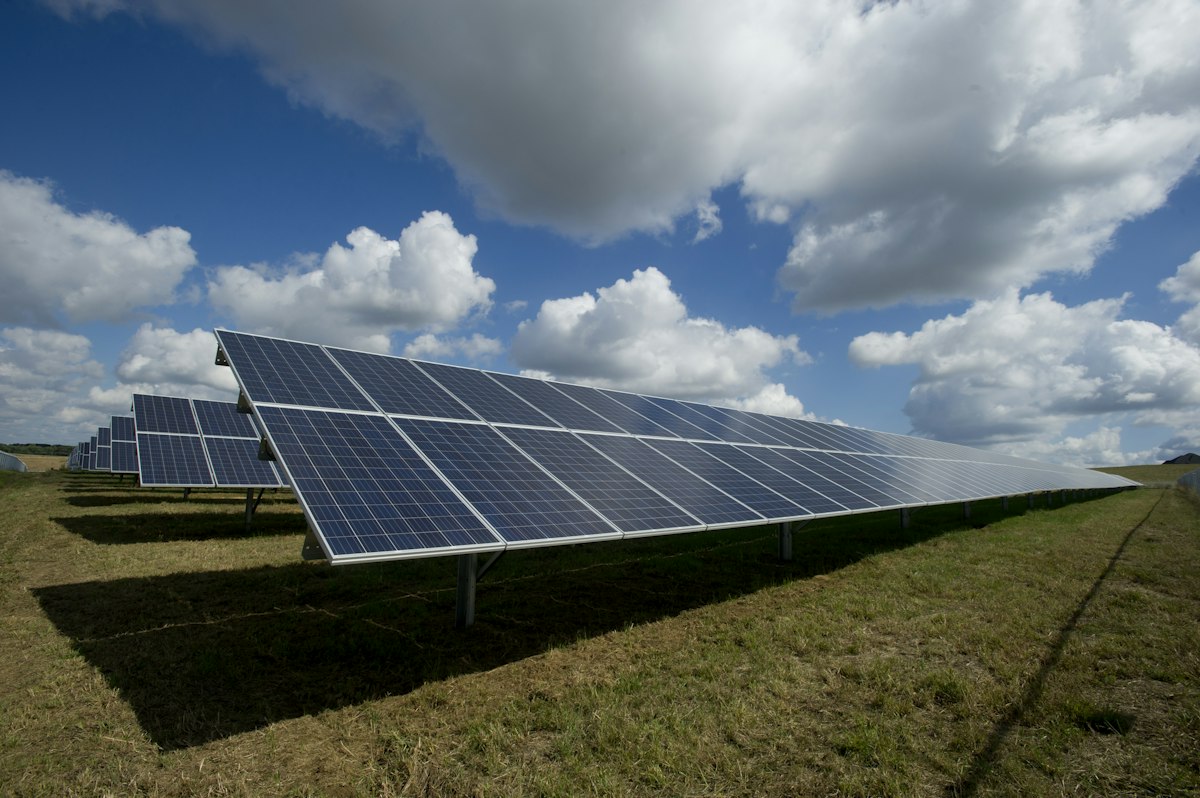
Cold Weather Actually Helps
It's a common misconception that solar panels need heat to work, in fact, the opposite is true. Photovoltaic cells are more efficient in cooler temperatures, so on a clear, cold winter day your panels can actually produce electricity at a slightly higher efficiency than they would on a hot summer afternoon.
The main factor that reduces winter output isn't temperature, it's the shorter days and lower sun angle, which simply mean fewer total hours of sunlight reaching the panels.
What About Snow?
Solar panels are typically installed at an angle, which helps snow slide off on its own once the sun comes out, often within a day or two after a snowfall. Dark-colored panels also absorb heat from sunlight, which speeds up melting and shedding compared to a flat roof.
On the rare day when snow does sit on the panels, production simply drops to near zero for that day, similar to how a solar system would behave on a heavily overcast day. This is already factored into our seasonal production estimates.
Shorter Days, Net Metering Balances It Out
On average, winter months in Quebec produce noticeably less solar electricity than summer months. Snow is responsible for a 5 to 10% reduction in annual output. Hydro-Québec's net metering program softens the effect by letting you bank summer surplus and draw it down in winter (see our article on how net metering works).
Built for Canadian Winters
The panels Nuvia Energy installs meet Tier 1 manufacturing standards and IEC 61215 testing, which covers performance under extreme cold, temperature cycling, snow load, and wind. These are the same standards that allow solar to operate reliably across the rest of Canada and in climates far colder than Quebec's.
Ready to Go Solar?
Use our calculator to see exactly how much you can save, or schedule a free consultation today.